DEHYDRATING GUIDE
This page cover quick guides for common food to dehydrate - don't miss the Table with temperatures and drying times!
See this page as an introduction to the world of dehydrated foods. The online courses will give you more deep learning. /Eric
Fruit & Berries
Fruit rolls & Dehydrated snacks
Vegetables
Meat, Poultry & Fish
Beef Jerky
Dehydrated Powders
Mushrooms
Spices & Herbs
Dairy Products
And more!
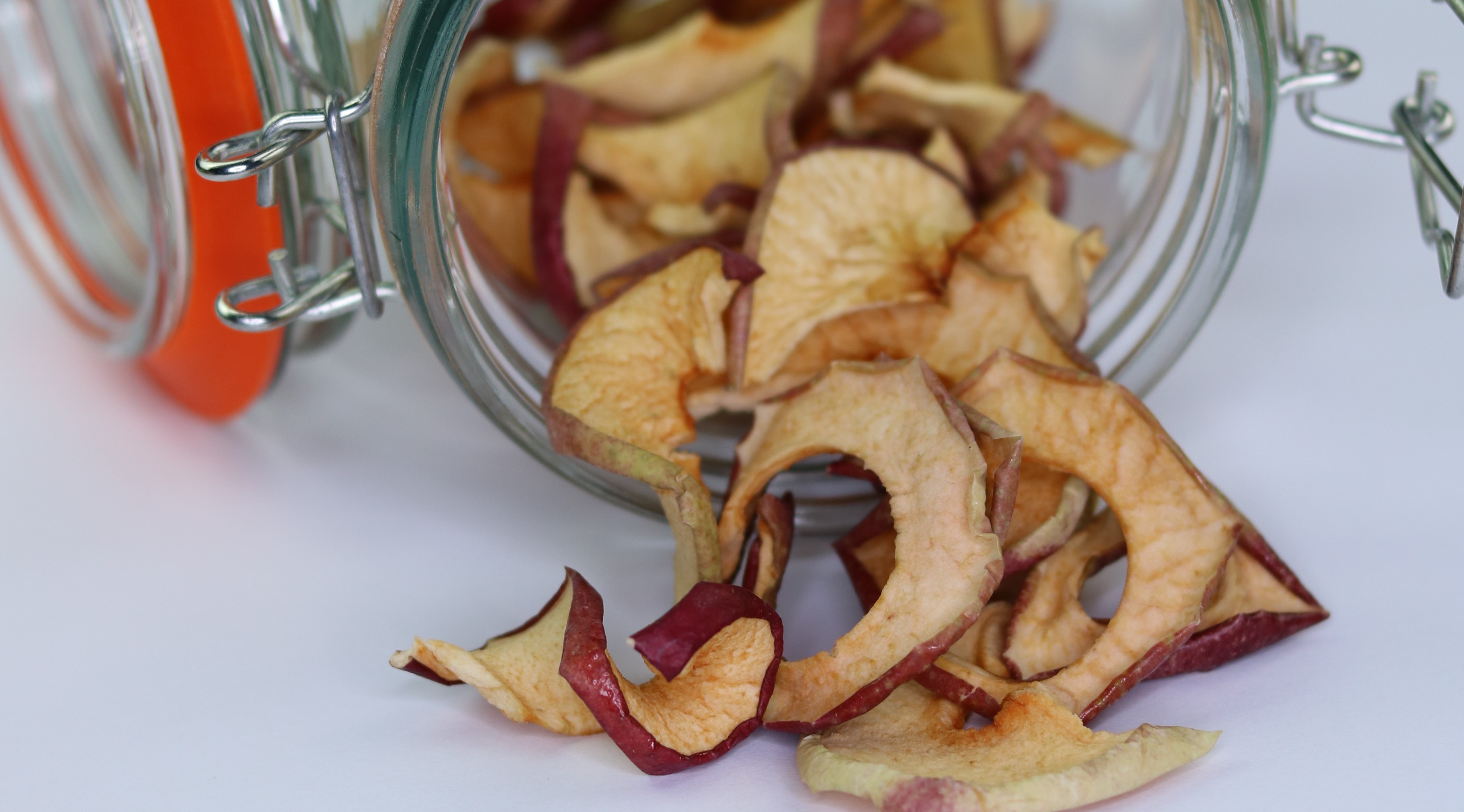
Most fruit is easy to dehydrate and so tasty! My favorites are apples, pears, and pineapples, but all fruits are good to dry. Unlike regular sweets, dried fruit tastes so much more and contains nutrients and fibers. Apples can be dried at room temperature, which takes a couple of days.
How to dehydrate fruit:
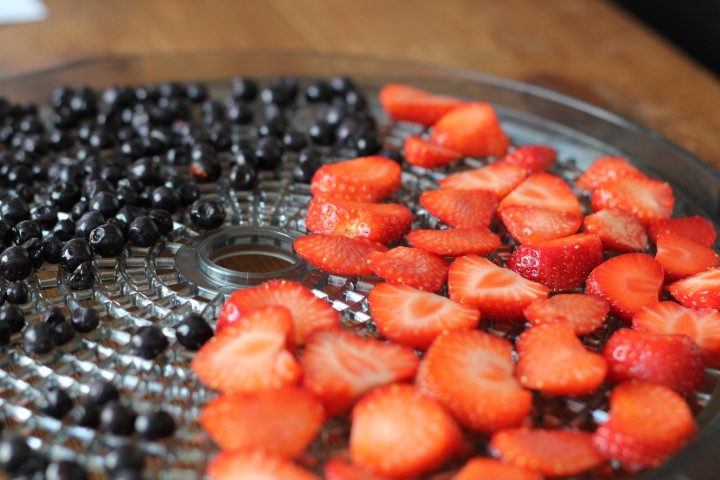
Store the sweetness and taste of sun ripe berries in your dehydrator! You can dry them in three different ways: As they are, mashed, or as fruit-rolls. The first (whole) is not recommended as they become very hard. When mashed or sliced if larger berries as cherries, they are easier to chew.
How to dehydrate berries:
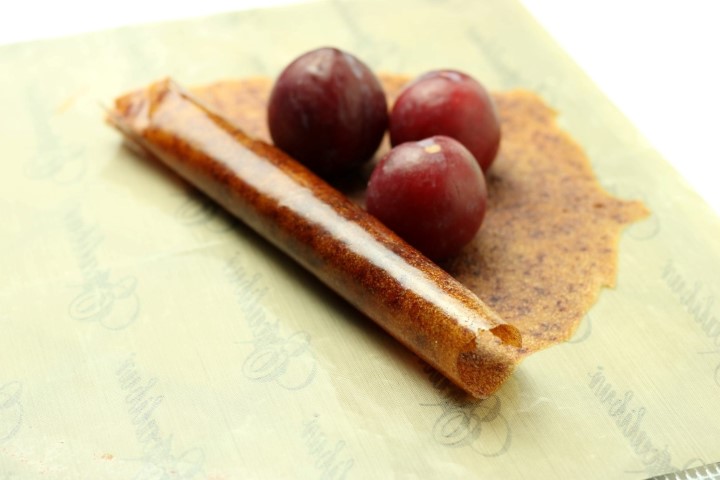
It’s probably the best candy there is; a batch does not last long! They are easy to make in a dehydrator with horizontal airflow. There are drying sheets for dehydrators where the hot air blows from the bottom or top (vertical airflow). Banana is perfect as it adds sweetness and makes the fruit roll more leathery, not brittle.
How to dehydrate fruit-rolls:
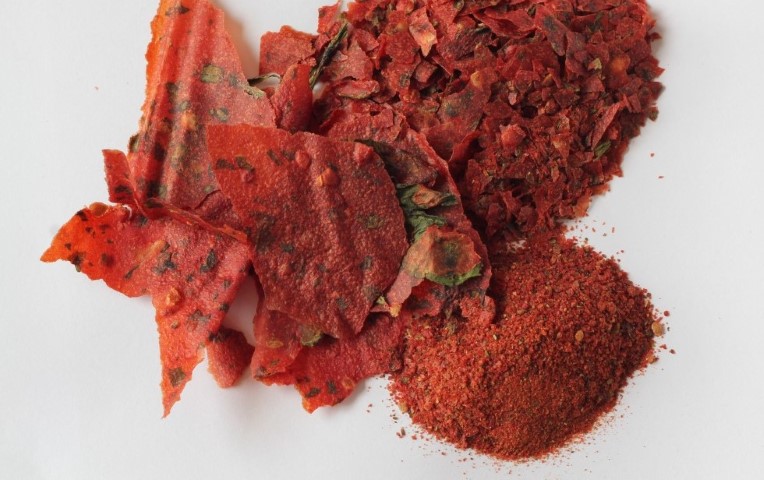
This is a taste bomb in stews and soups and a nice decoration on ice cream and other desserts. Use a bullet mixer or a blender to turn brittle vegetables, fruit, or berries dehydrated to powder. A food processor won’t work. Decide how grained you want it: the finer, the quicker it will give taste in a stew and will add a thicker consistency.
How to mix powders:
Courses with dehydrated powders
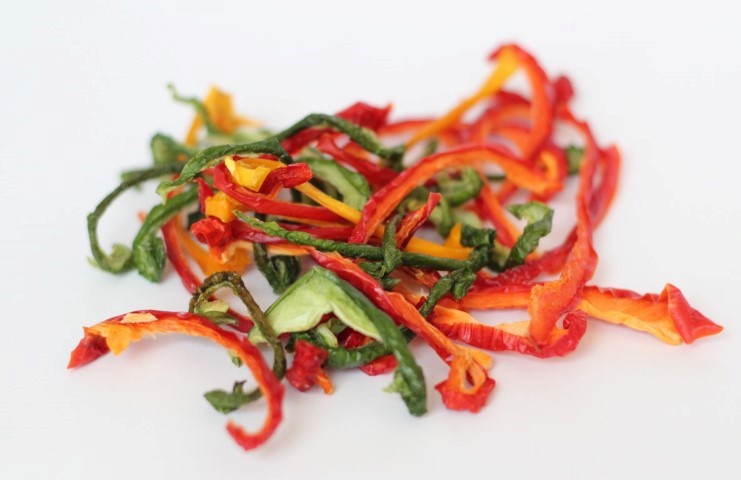
For all kinds of cooking, vegetables are a great base that adds taste, color, and nutrition. They are easy to dehydrate and can be stored for years if they are steamed or blanched. The heat preserves flavor and color. All vegetables are possible to dehydrate; avocado is the only exception since a high amount of fat. Carrots are a good start if you are new to dehydration; you can even try to dehydrate at room temperature to see how water evaporates in a few days.
How to dehydrate vegetables:
It's perhaps not the first thing you dehydrate, the fruit is easier, but still, meat is safe when you keep good hygiene and use fresh meat. 70°C / 170°F is recommended to prevent bacteria from growing. When you get the basic principles of dehydrating meat, you can experiment and dehydrate with different thicknesses and add spices.
How to dehydrate Meat, Poultry & Fish:
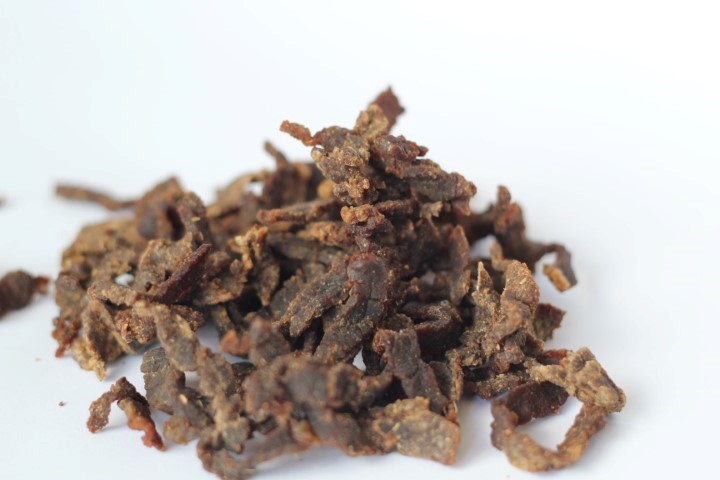
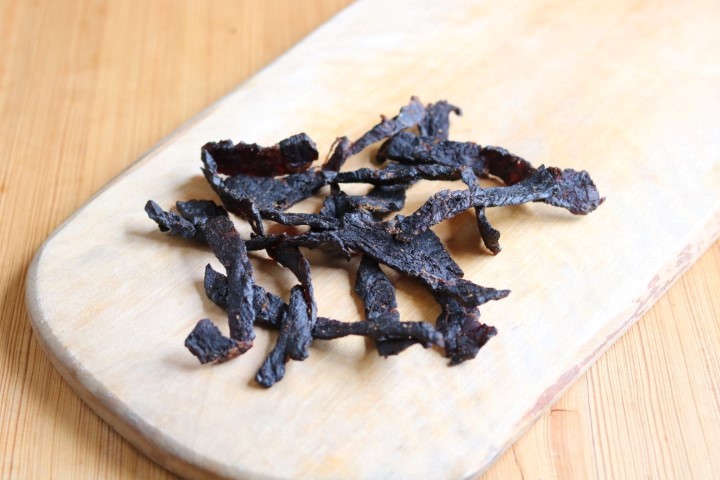
Beef jerky is meat-candy! The flavor from meat blends with spices, chewy and wonderful. The meat is not cooked or fried – only dehydrated at 70°C / 170°F. You can dry the meat in lower temperatures, but it’s not as safe. What meat to use? There is not only one answer to this question but most lean and boneless beef works. Top round, bottom round, and flank steak are popular.
How to dehydrate jerky:
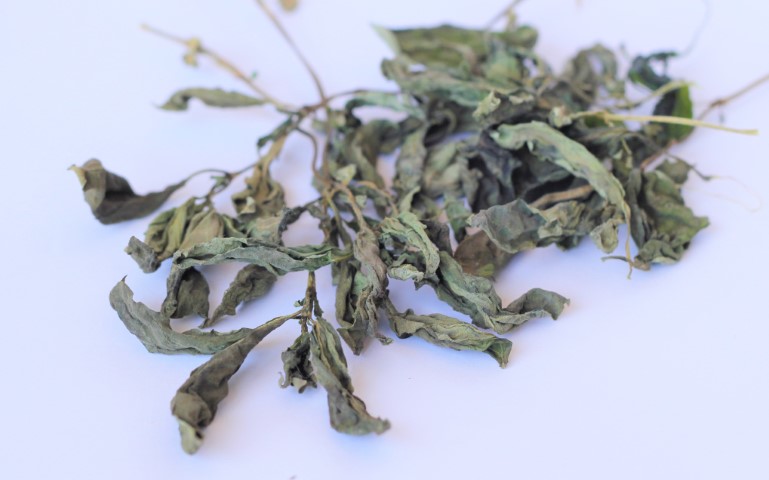
Perhaps the easiest to dehydrate, you can hang bouquets on o string and let dry for a week. It has been done this way for centuries and is an excellent method if the air is dry enough. You can dry herbs and spices with a dehydrator even when the air is humid; it reduces drying time to a few hours.
How to dehydrate Spices & Herbs on a string:
How to dehydrate Spices & Herbs in a dehydrator:
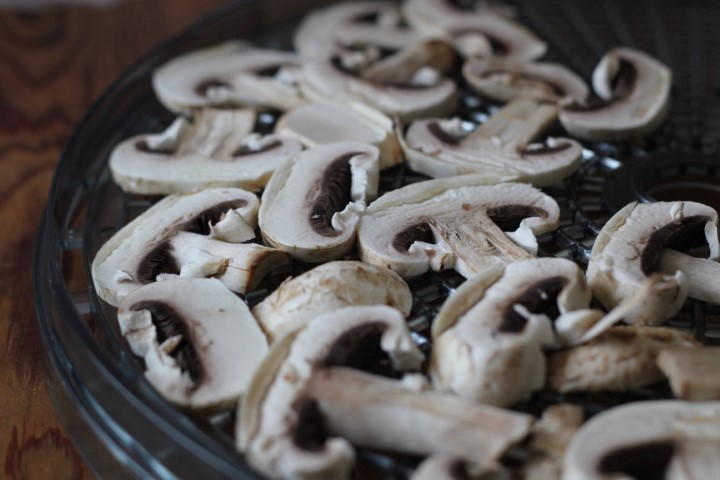
Let’s say you find lots of eatable mushrooms in the forest or if there is a good discount on them in the store – then dehydrate them! It’s so easy, and the concentrated taste you get is amazing. Add them in stews, risotto, or where you use mushrooms.
How to dehydrate mushrooms: